

October 8, 2026 · 5 min read
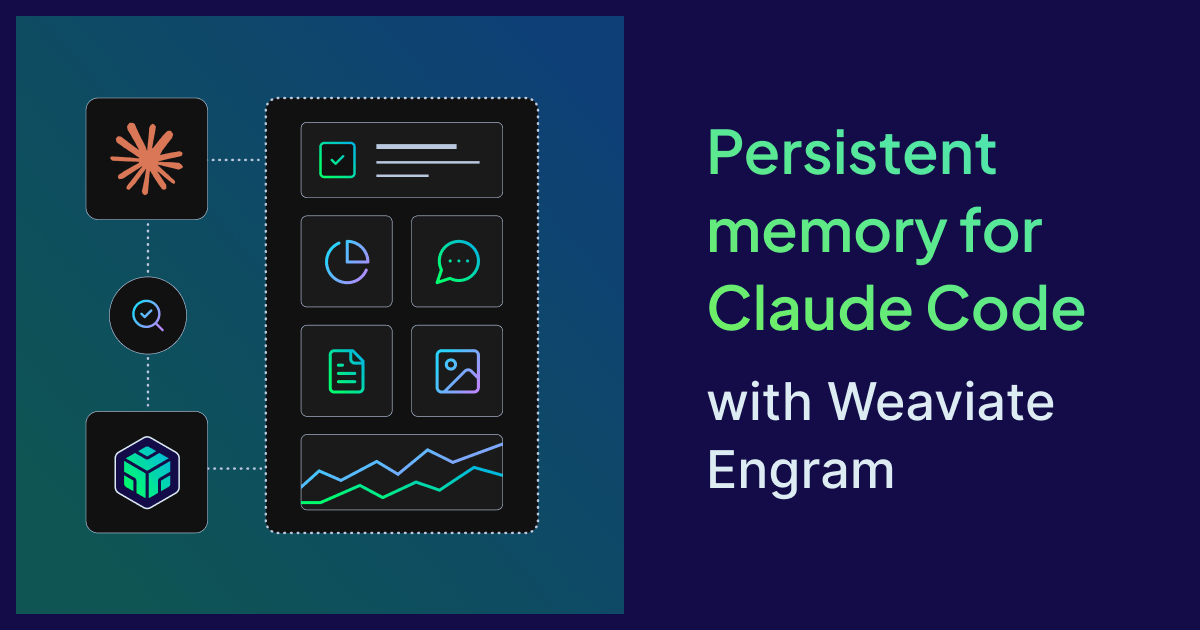
Persistent memory for Claude Code with Weaviate Engram
The Engram plugin gives Claude Code persistent, long-term memory, so it remembers what you've done and brings it back when it matters.
The Engram plugin gives Claude Code persistent, long-term memory, so it remembers what you've done and brings it back when it matters.
Weaviate 1.39 promotes the Boost API and MMR diversity selection to GA, previews 4-bit Rotational Quantization, and ships an experimental Search REST API.
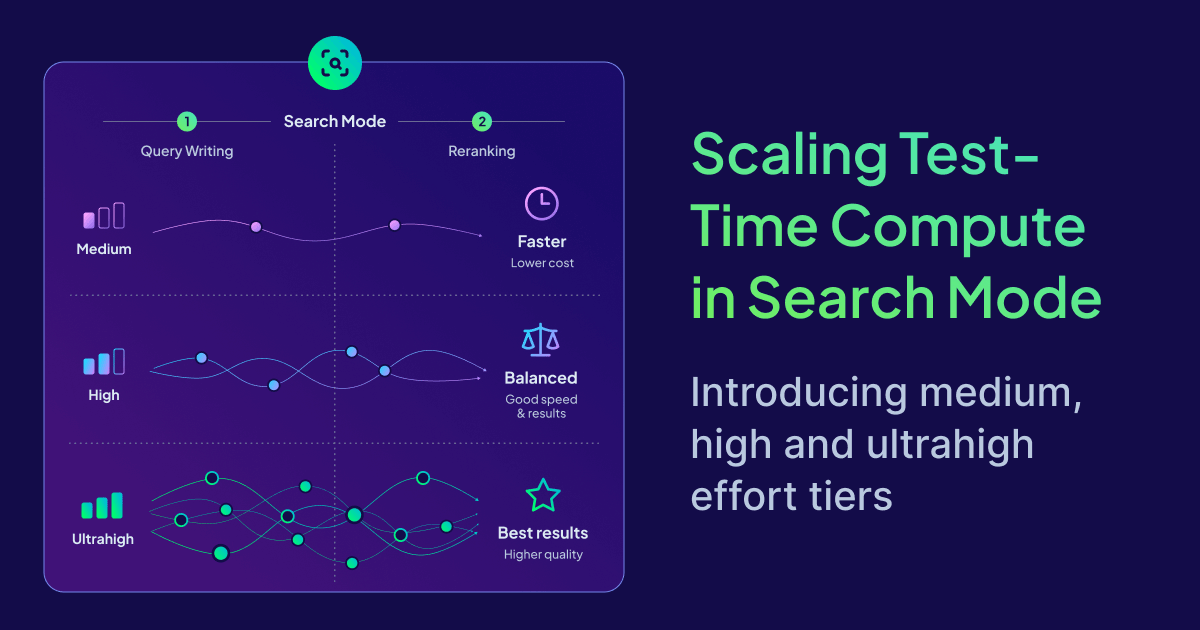
Introducing medium, high, and ultrahigh effort tiers to the Query Agent's Search Mode.
This release brings the HFresh disk-based vector index and the built-in MCP Server to general availability, rebuilds cluster-wide async replication to run from a single scheduler (on by default), and adds two previews: the Boost API and Nested Object Filtering.
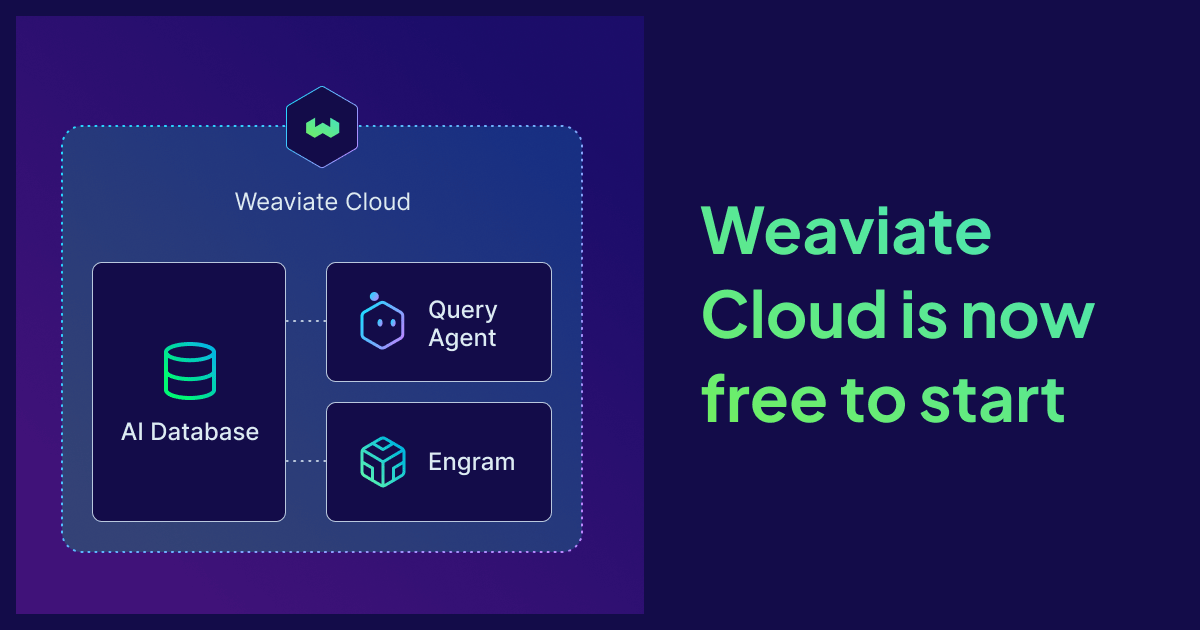
Weaviate Cloud is now free to start across the entire product suite.
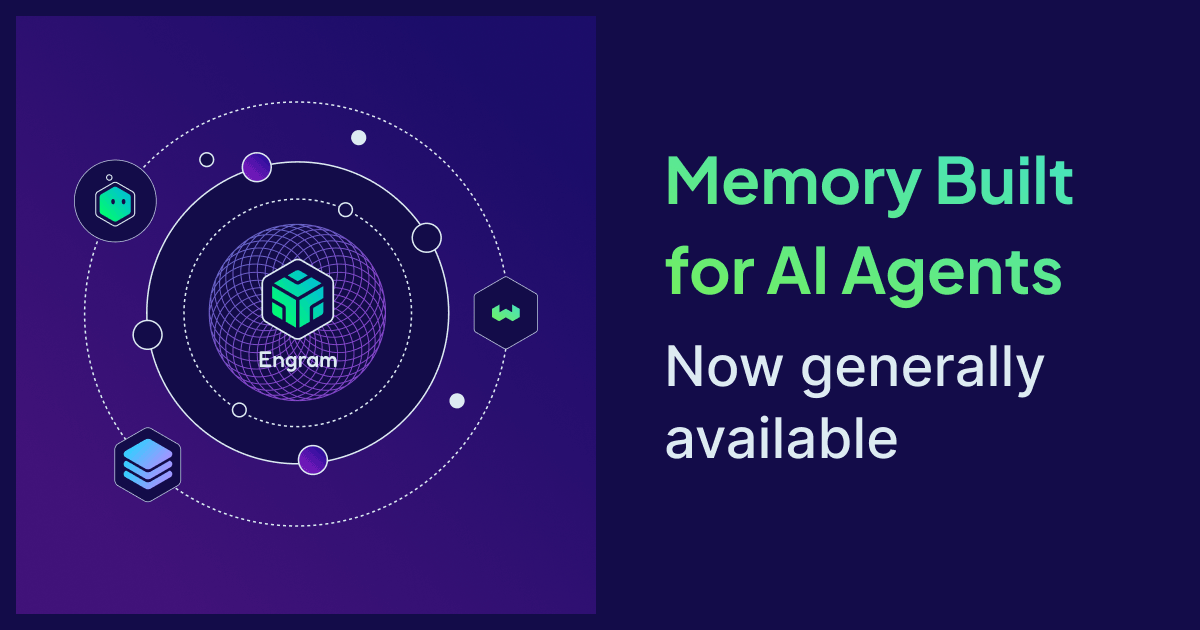
Engram, Weaviate's managed memory and context service for agentic applications, is now generally available.
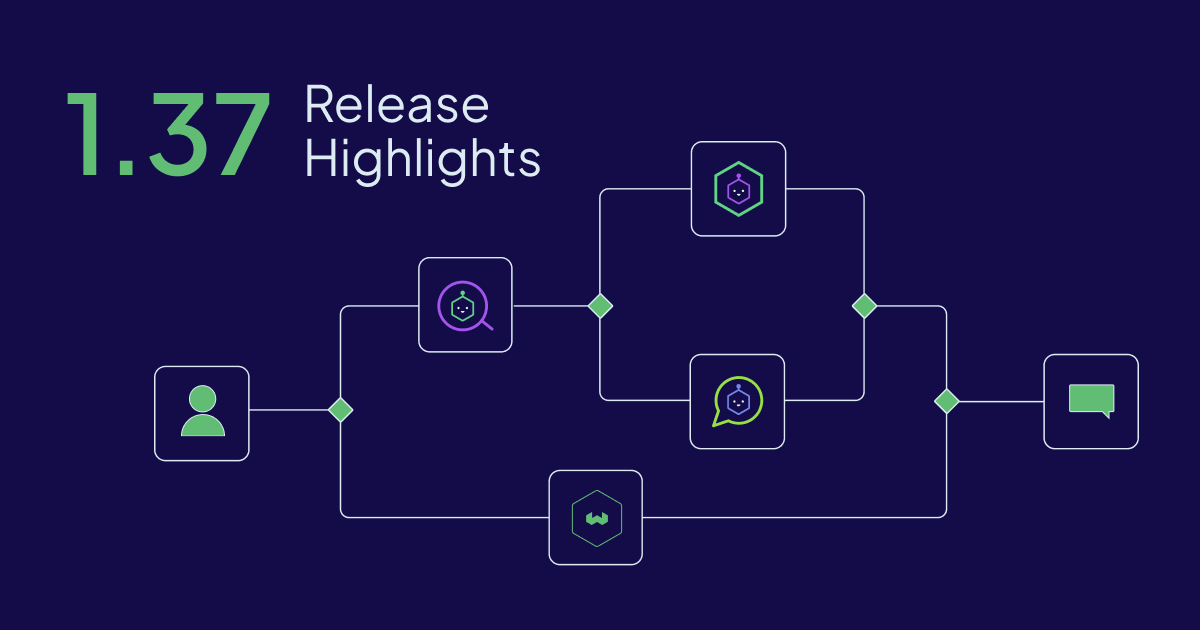
This release introduces the built-in MCP Server, Extensible Tokenizers, Diversity Search (MMR), and Query Profiling as previews, along with Incremental Backups, Gemini audio support for multi2vec-google, and the new BlobHash property type.
Weaviate Shared Cloud is now generally available on AWS in US East and Europe, giving teams a fully managed, AI-native database on the provider and region that works best for them.
Use semantic search and RAG in C# with the Weaviate Managed .NET client — attribute-driven schema, type-safe queries, and safe migrations, all in idiomatic .NET.
This release introduces HFresh vector index (Preview), and brings Server-side Batching, Object TTL, Async Replication Improvements, Drop Inverted Indices, and Backup Restoration Cancellation to general availability.
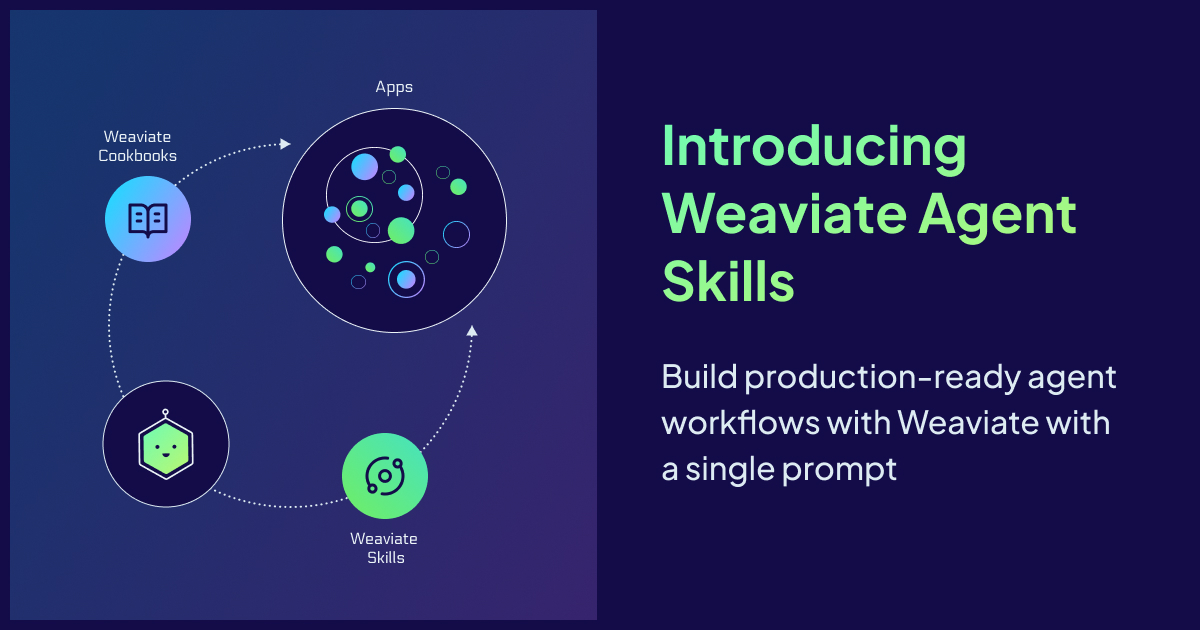
Build production-ready agent workflows with a single prompt in Claude Code, Cursor, and GitHub Copilot.

The Weaviate C# client is now generally available! This release brings a modern and intuitive API for .NET developers, making it easier than ever to build AI-powered applications.