October 15, 2026 · 4 min read

Weaviate security release - Medium severity fix for a cross-collection vector disclosure in nearObject (CVE pending assignment)
Weaviate v1.39.3 fixes a medium-severity authorization issue in the nearObject GraphQL operator.
October 14, 2026 · 15 min read
PathSeer: Adaptive Filtered Vector Search
Weaviate 1.40 adds PathSeer, a third HNSW filter strategy from a SIGMOD 2026 paper, contributed by the paper's first author. How it works, and how it compares to sweeping and ACORN.
October 8, 2026 · 5 min read
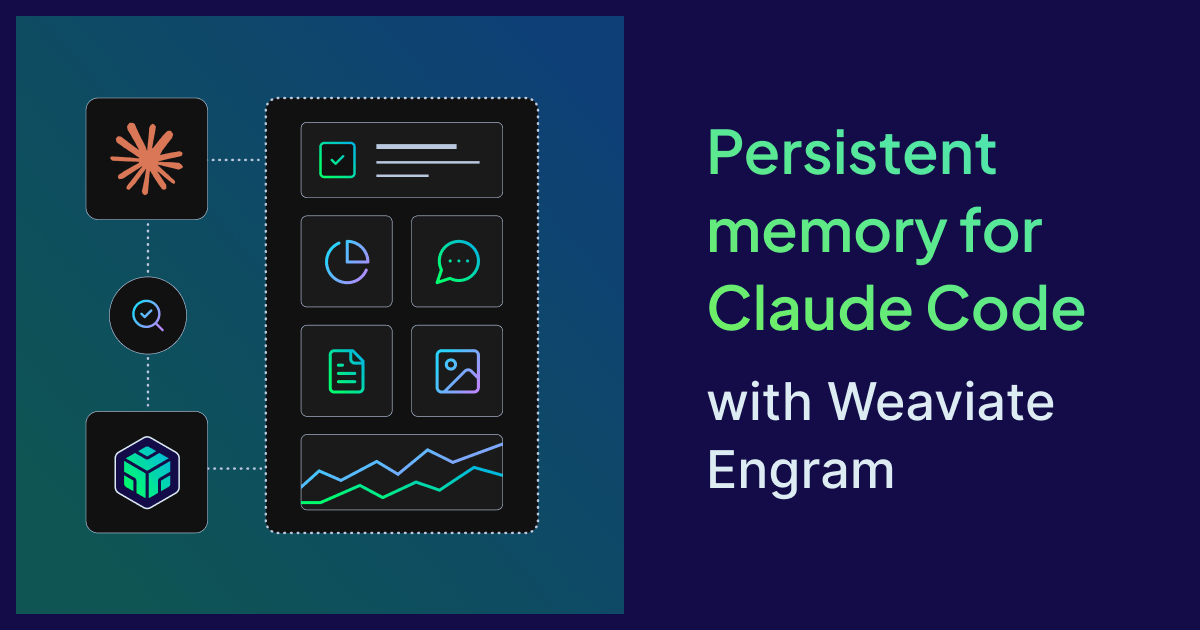
Persistent memory for Claude Code with Weaviate Engram
The Engram plugin gives Claude Code persistent, long-term memory, so it remembers what you've done and brings it back when it matters.
October 1, 2026 · 4 min read
Weaviate security release - High severity fix for credential disclosure in the Google modules
Weaviate v1.39.3 fixes a high-severity credential disclosure issue in the Google modules.
September 22, 2026 · 17 min read
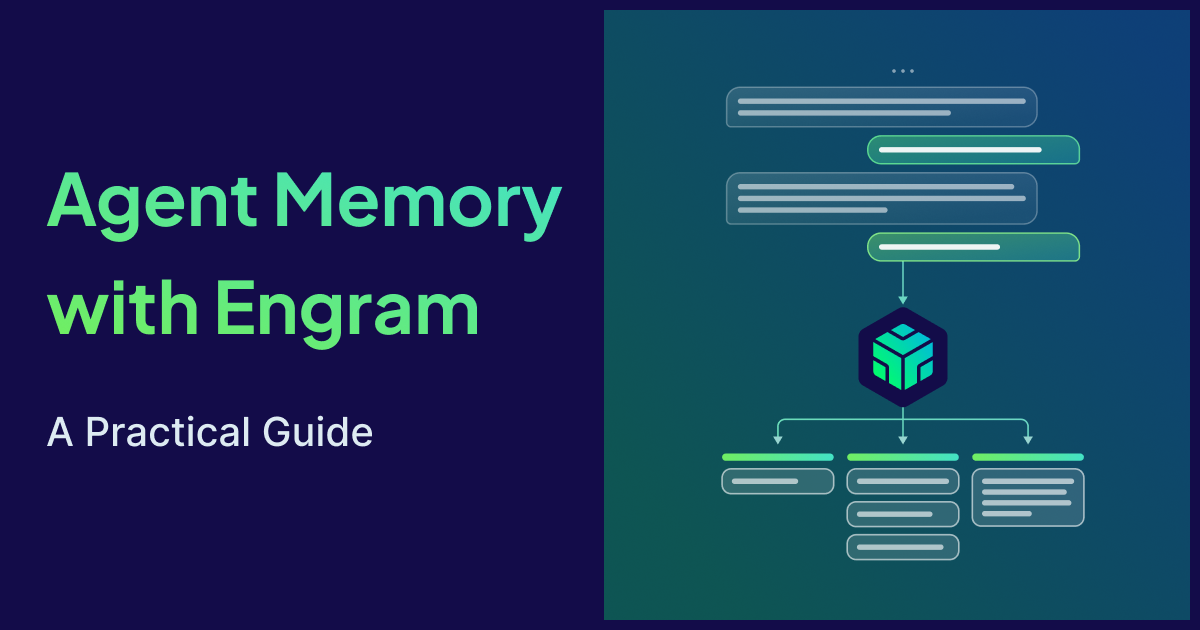
Agent Memory with Engram: A Practical Guide
Learn how to use Engram effectively, from writing topic descriptions that control extraction to choosing bounded topics and scopes, selecting a retrieval mode, and placing memories in your prompt without hurting prompt-cache efficiency.
September 17, 2026 · 12 min read
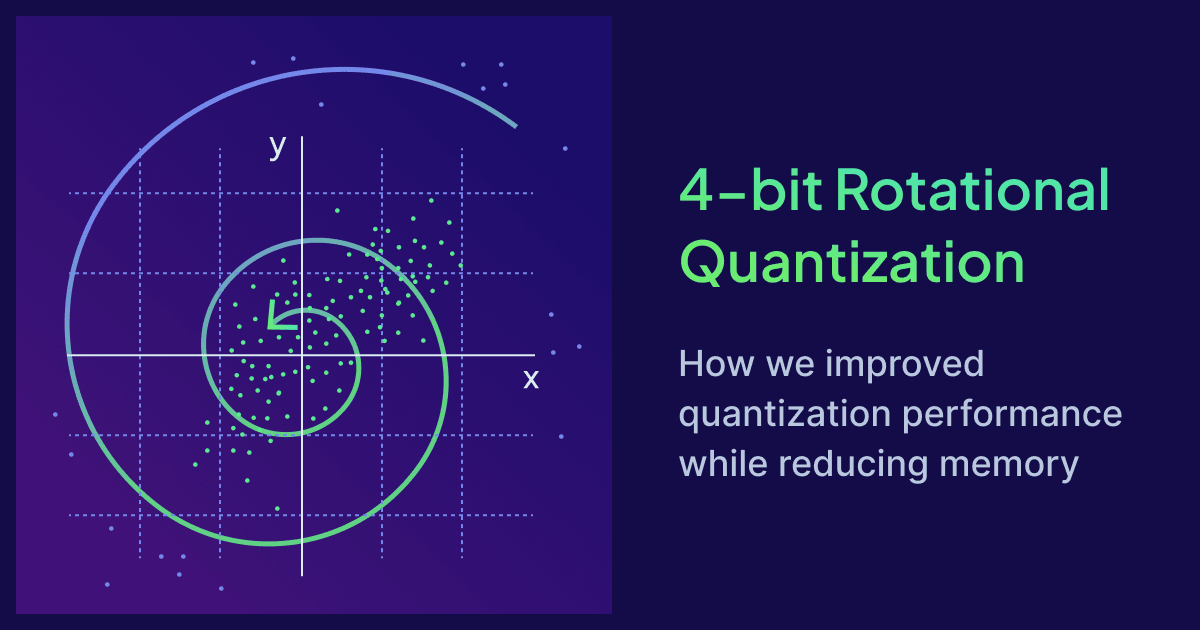
4-bit Rotational Quantization
4-bit Rotational Quantization in Weaviate 1.39: the SIMD performance work, a centered tier, scaling analysis and a TurboQuant comparison.
September 9, 2026 · 14 min read
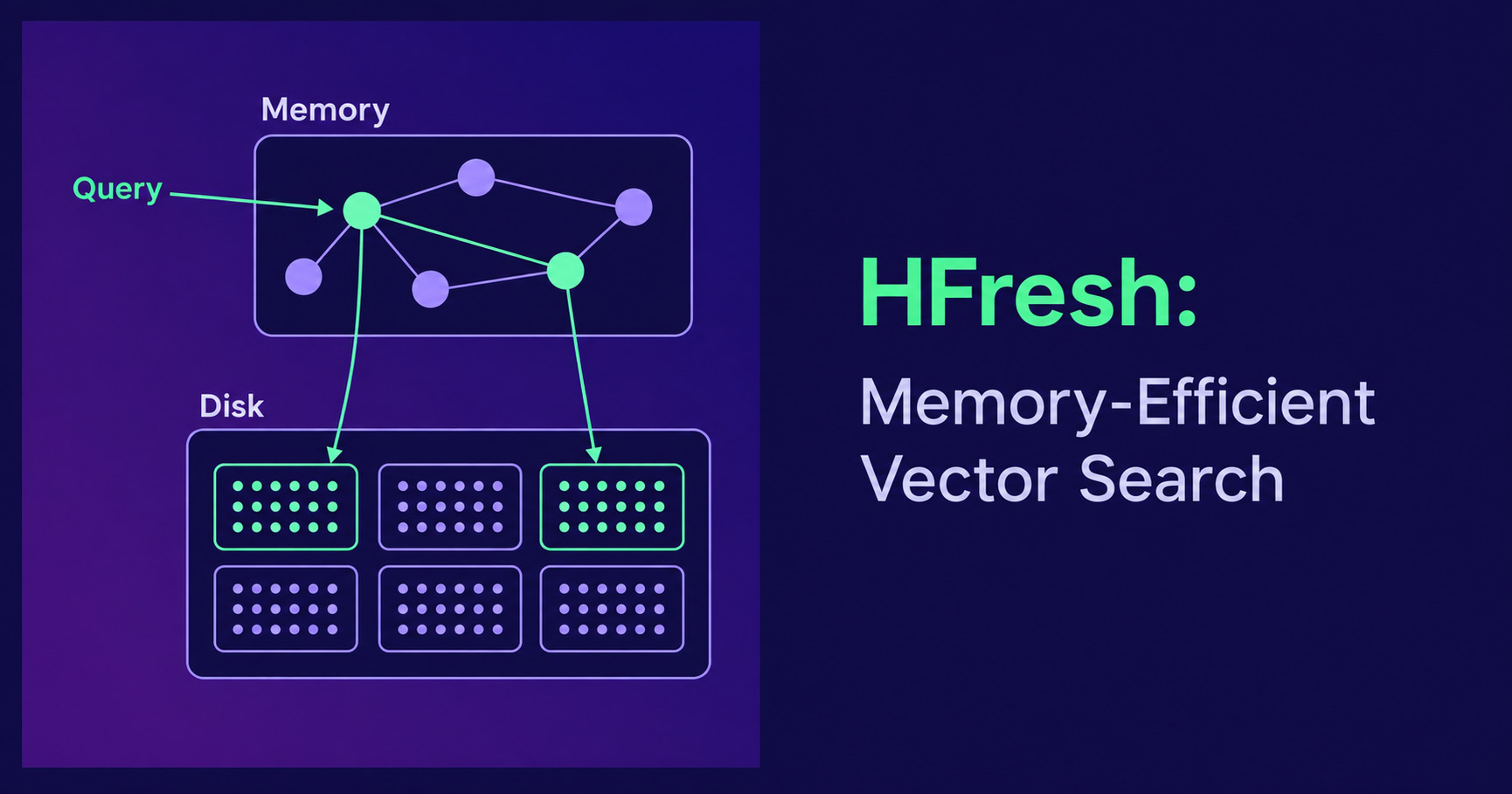
HFresh: Memory-Efficient Vector Search
HFresh is Weaviate's disk-based vector index for memory-efficient vector search, combining low heap usage with incremental background maintenance.
September 8, 2026 · 5 min read

Building Foundry Part 3: From archive to creative search
Part 3: We turn a messy creative archive into a searchable library using a manifest, Weaviate, and hybrid search.
September 1, 2026 · 15 min read
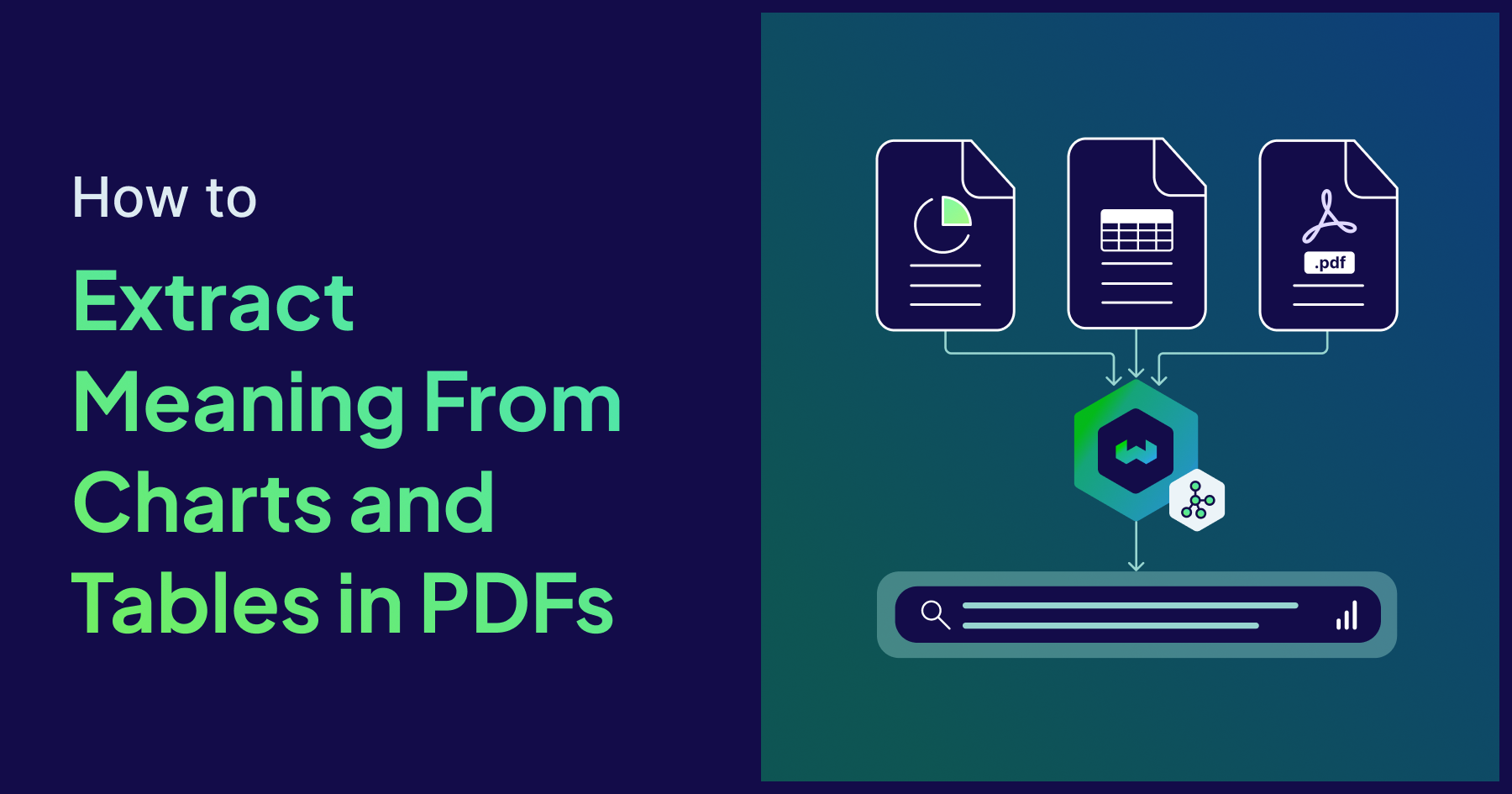
How to extract meaning from charts and tables in PDFs
PDFs full of charts and tables are notoriously hard to put through a traditional RAG pipeline. In this post, we show how late-interaction multi-vector retrieval lets you search PDFs by what the page looks like: no OCR, no chunking, no text extraction.
August 27, 2026 · 0 min read
Weaviate 1.39 Release
Weaviate 1.39 promotes the Boost API and MMR diversity selection to GA, previews 4-bit Rotational Quantization, and ships an experimental Search REST API.
August 13, 2026 · 5 min read

Building Foundry Part 2: Where creative workflows break
Part 2: Why folders, tags, and keyword search break down in real creative workflows and what retrieval needs to do instead.




